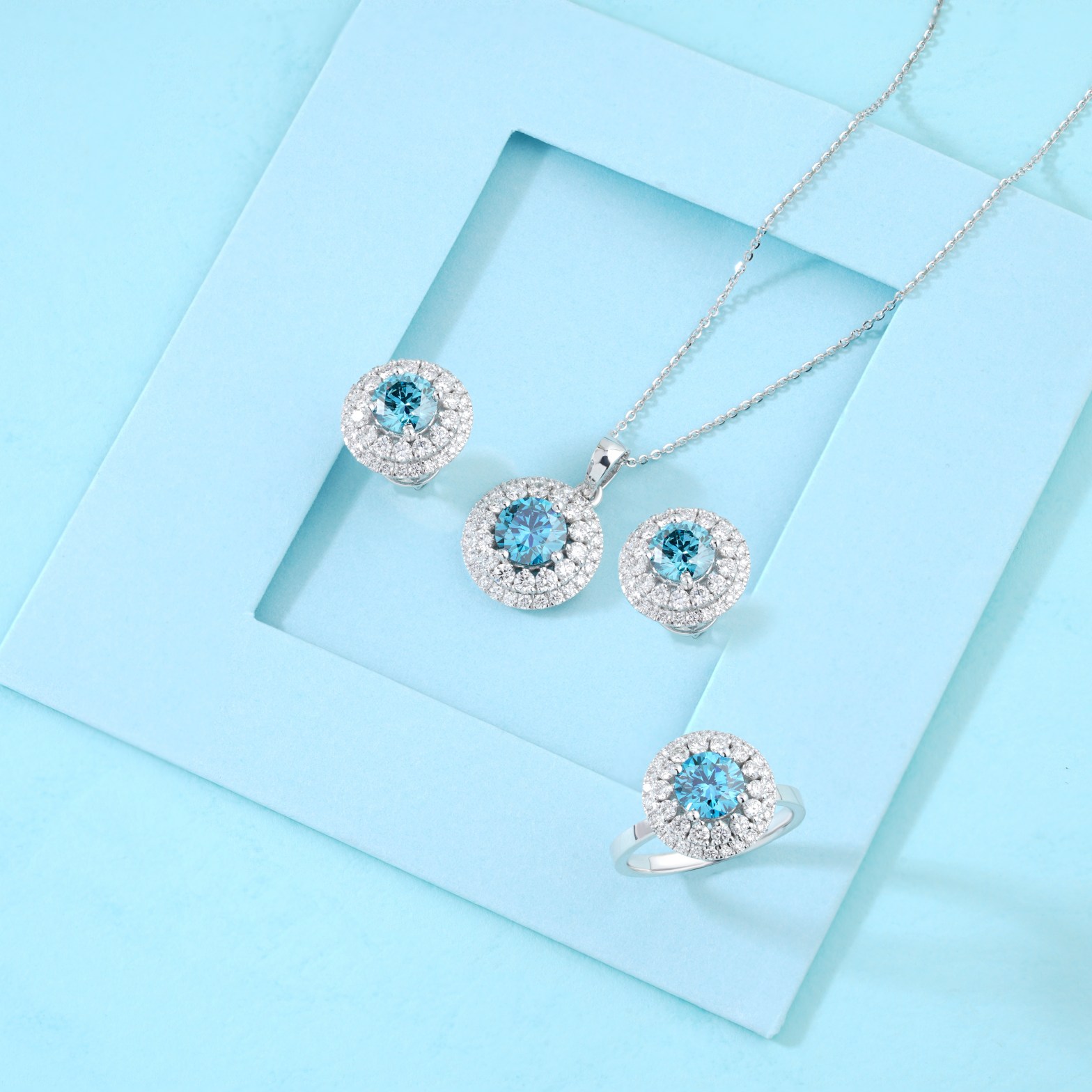
What is new fashion in lab grown diamond engagement rings?
lab grown diamond engagement rings are becoming more and more popular as an alternative to natural diamonds. This article will explain what lab grown diamonds are, why they’re used, and how to make them into jewellery you can wear every day. For those who want to learn how to make your lab grown diamond jewellery, we’ll also include easy step-by-step instructions on how to make them yourself.
How lab grown diamonds are made?
Lab-grown diamonds have become increasingly popular. More than half of brides now say they want a lab-grown diamond for their engagement ring. But where did these diamonds come from, and how are they made? Keep reading to learn all about lab-grown diamonds! *Some important notes before we get started: Lab-grown diamonds are not synthetic or fake—they’re real natural diamonds that grew in labs using modern technology. There’s nothing to fear when it comes to buying lab-grown diamonds!* The Invention of Lab Grown Diamonds: While there was the early interest in growing synthetic gems, one problem was finding a way to control crystal growth at an atomic level. It wasn’t until 1940 that Eli Franklin Burton developed a technique called chemical vapour deposition (CVD). However, producing gem quality crystals would take another 25 years because scientists were unable to control how many impurities were present during production.
Are they better than natural diamonds?
They’re a great option for individuals who want to buy ethically sourced jewellery, but they’re also visually identical to mined diamonds (except under a microscope). In other words, unless you know your diamond was lab-grown, you’ll never be able to tell it apart from an earth-mined stone. In addition, because lab grown diamond earrings have the same chemical composition as natural ones (carbon atoms arranged in tetrahedral form), they have all of their fancy traits, like moissanite sparkle and amora colour. Ultimately, if you’re looking for bling on a budget and don’t care about where it comes from, lab-grown diamonds are a perfectly fine choice. Their ubiquity will only continue to grow—and they may eventually become more ethical than earth-mined stones! As price points continue to come down, consumers will likely see them in more jewellery stores as well. Why not grab one while things continue to evolve?
How much do lab-grown diamonds cost?
Not all lab-grown diamonds are created equal, but those that make it through our rigorous grading process sell for anywhere from 40-60% less than mined diamonds. And, as with all jewellery purchases, getting a free appraisal from a jeweller you trust is always recommended to ensure you’re getting what you paid for. Remember: true love isn’t measured by how much money you spend on your significant other—it’s measured by how well you communicate and understand each other. With their incredible diversity of colour and clarity, lab-grown diamonds offer another level of understanding without breaking any bank accounts. The Chemistry of Lab-Grown Diamonds: The birth of a diamond begins at around 100 kilometres below Earth’s surface, where carbon atoms bond together inside giant crystals known as kimberlite pipes. As rock moves up towards Earth’s surface (forming magma), so too does all that compressed carbon become subject to extreme temperatures and pressures—conditions only found within volcanoes or meteorites hitting planet Earth.
What colours can lab-grown diamonds be?
While most lab-grown diamonds are clear, they can also be made with a variety of colours. And no, they aren’t cheap. Lab-grown diamonds are often referred to as cultured diamonds because they are created through human intervention and not mined from beneath Earth’s surface. This also means that there is a large environmental cost associated with lab grown diamond necklaces and their price tag reflects it. Most cultures cost anywhere from three to four times as much as natural, mined diamonds. In some cases, lab-grown diamonds can cost up to 20 times more than naturally occurring stones! Lab-grown ones have become more popular over time, however, partially due to an increase in awareness about our environment. Many people have begun purchasing these types of gems because they feel that by doing so they are helping preserve precious resources on our planet.

 Site Title